


162 Games In: The Injuries That Define Baseball's Playoff Push
Summer is ending, temperatures are dropping, and Major League teams chasing a spot in the baseball playoffs are demanding the absolute maximum from their rosters precisely when those bodies have the least left to give. Unlike collision sports where single traumatic hits decide who is in and who is injured, MLB injuries accumulate and worsen over the course of a grueling six month, 162-game schedule packed marked by minimal off days and constant late-night travel.
For young athletes, fall can be similarly stressful. With year-round play in youth fall ball, young athletes step straight onto the diamond for another high-intensity season immediately following grueling spring and summer schedules, facing the same cumulative stresses that break down elite major leaguers.
The Elbow and the UCL
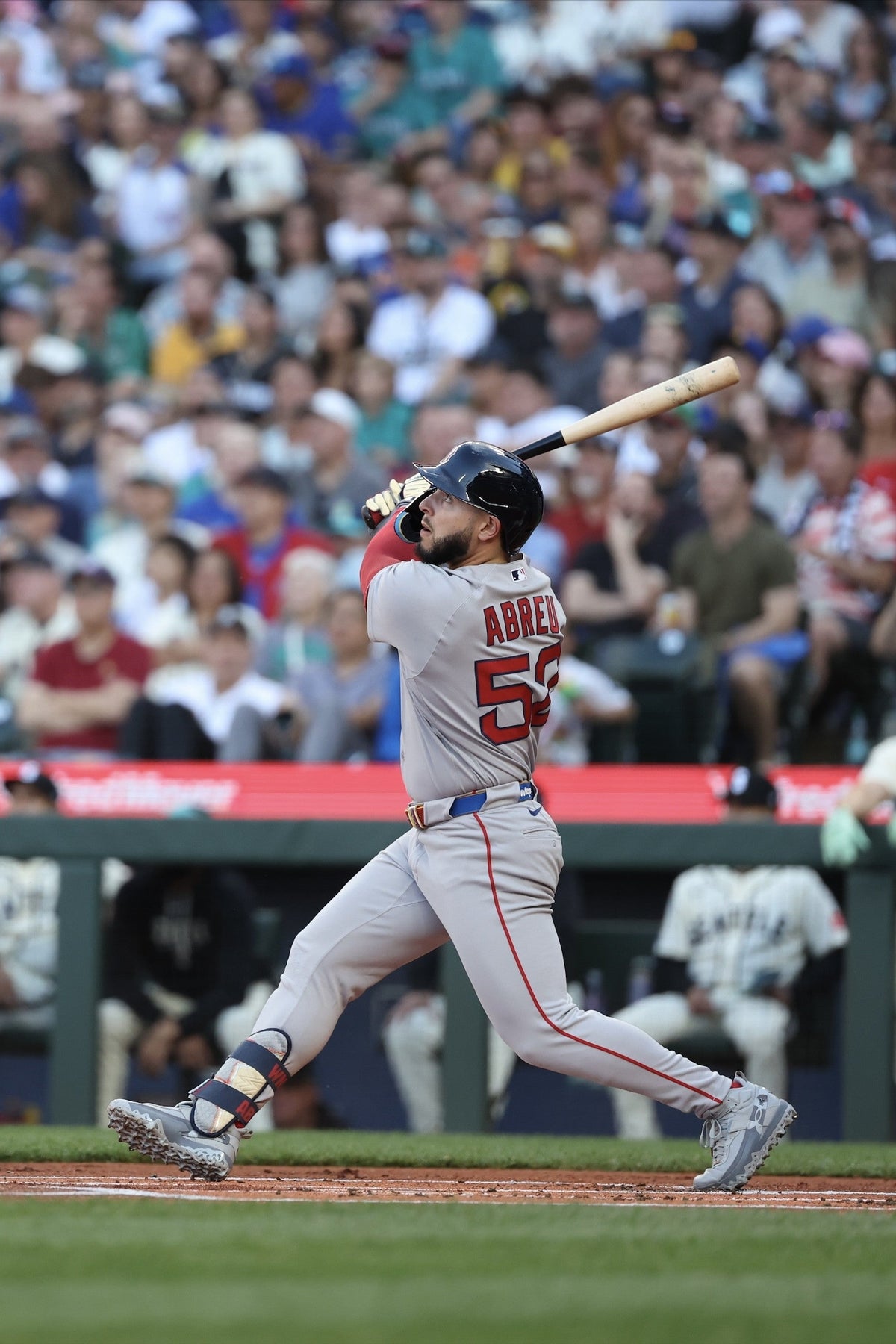
The defining physical story of modern professional baseball centers on the elbow. The ulnar collateral ligament (UCL) acts as the primary stabilizer across the inside of the joint, and every throw places immense valgus stress across this tissue. When that stress exceeds structural tolerance, a UCL injury occurs. Tommy John surgery replaces a partially or fully torn UCL with a tendon graft, usually harvested from the hamstring or forearm. The procedure was first done on Dodgers pitcher Tommy John in 1974.
According to a 2024 report on pitcher injuries conducted by the MLB, UCL reconstructions skyrocketed between 2023 and 2025 across the league. Medical researchers link these soaring injury rates to modern performance demands: maximal effort on every pitch, relentless pursuit of higher fastball Velocity, increased spin rates, and complex pitch mixes designed to optimize break.
The impact of a UCL tear on pennant races is immediate and severe. New York Yankees ace Gerrit Cole underwent Tommy John surgery in March 2025, sidelining the former Cy Young winner for the entire 2025 campaign. In April 2026, Chicago Cubs starter Cade Horton required a full UCL reconstruction rather than a primary repair with an internal brace. Meanwhile, Toronto Blue Jays right-hander Bowden Francis was placed on the 60-day injured list in 2026 after suffering a severe UCL tear.
When pitcher elbow pain could hint at structural strains and season-ending issues, it’s important to focus on regular support. The Incrediwear Elbow Sleeve is a non-compressive option for athletes managing elbow strain, while the Arm Sleeve offers broader coverage across the forearm flexors and biceps.
The Shoulder
The throwing shoulder bears a unique burden in rotational sports: after accelerating the arm forward at extreme speeds, the posterior shoulder muscles must immediately contract to decelerate the arm after every release. That violent braking action is where micro-trauma can compound into major baseball shoulder injuries.
Several factors accelerate shoulder breakdown:
-
Maximum-effort throwing on tight rest schedules
-
Excessive stress during the deceleration phase after ball release
-
Reduced internal rotation and overhead mobility
-
Pitching through persistent fatigue
The entire team can have weakened shoulders in time for the post-season. Unlike starting pitchers who follow a 5-day rest and recovery rotation, relief pitchers who tally 60-plus appearances per season are throwing on arms that have lacked true rest since spring training. Position players also accumulate stress over the season with minimal breaks—catchers throwing back to the pitcher 150 times a game and outfielders launching full-effort throws to cutoff men build up immense throwing volume over six months.
Targeted active recovery can help manage non-structural shoulder wear and persistent throwing arm pain. The Incrediwear Shoulder Brace delivers focused thermal activation directly to the rotator cuff and glenohumeral joint, while the Arm Sleeve can be integrated down the kinetic chain to help manage muscle fatigue throughout the bicep and triceps.
Obliques and the Core
Core injuries—specifically abdominal oblique strains—are among the most frustrating setbacks in baseball due to their unpredictable recovery timelines. The violent, explosive trunk rotation required to swing a bat at 75-plus mph or launch a fastball puts enormous strain on the internal and external obliques.
Common triggers of baseball core injuries include:
-
Explosive rotational torque during swings and high-velocity throws
-
Violent checked swings that force muscles to rapidly contract while lengthening
-
Rotating forcefully on a fatigued or dehydrated trunk
Unlike minor aches, a true oblique strain does not respond well to playing through discomfort. Aggravating an oblique muscle can reset the recovery clock entirely, and late-season baseball leaves no buffer for a multi-week stay on the injured list.
Managing core strain requires consistent care. The Incrediwear Body Sleeve provides non-compressive coverage across the entire midsection, keeping element-infused fabric directly against the trunk to optimize localized blood flow. When lower back tightness accompanies trunk fatigue, combining the sleeve with an Incrediwear Back Brace can help maintain daily comfort.
Legs, Hamstrings, and the Base Path
In baseball, players go through long periods of standing in the field or dugout that are suddenly interrupted by maximum-effort, cold sprints down the base path. This stop-and-start dynamic creates prime conditions for hamstring, quadriceps, and calf strains.
Primary causes of late-season lower-body strains include:
-
Sudden acceleration from a standstill out of the batter’s box or off a base
-
Hard, awkward stops and aggressive sliding into bases
-
Accumulative lower-body fatigue driven by artificial turf infields, tight travel windows, and cross-country flights
When muscular fatigue sets in during the final month of the MLB season, sprint mechanics degrade, increasing the likelihood of overuse injuries.
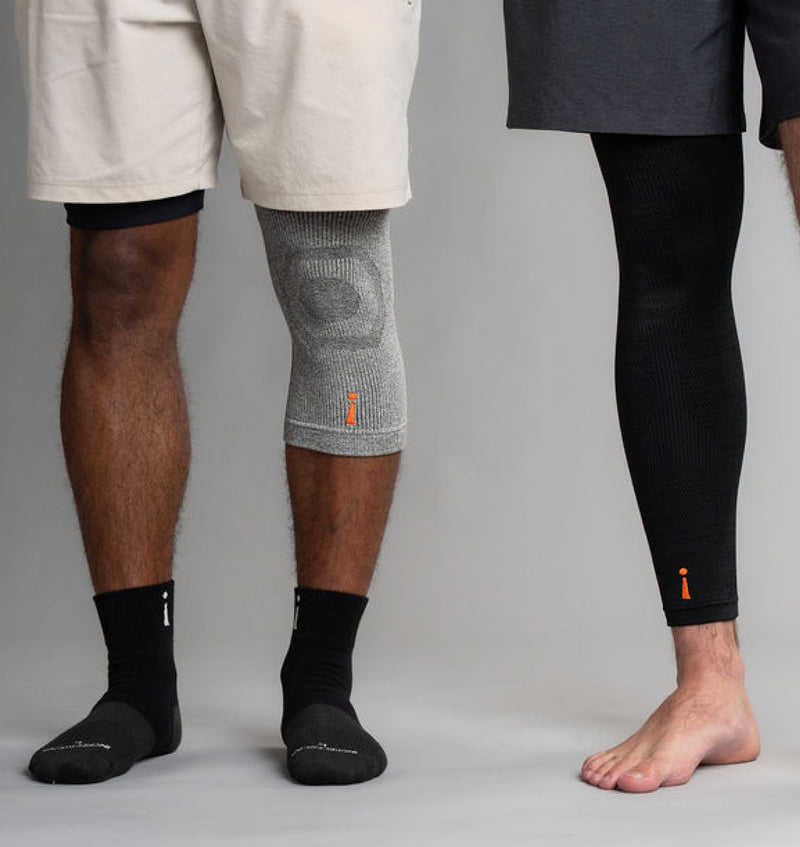
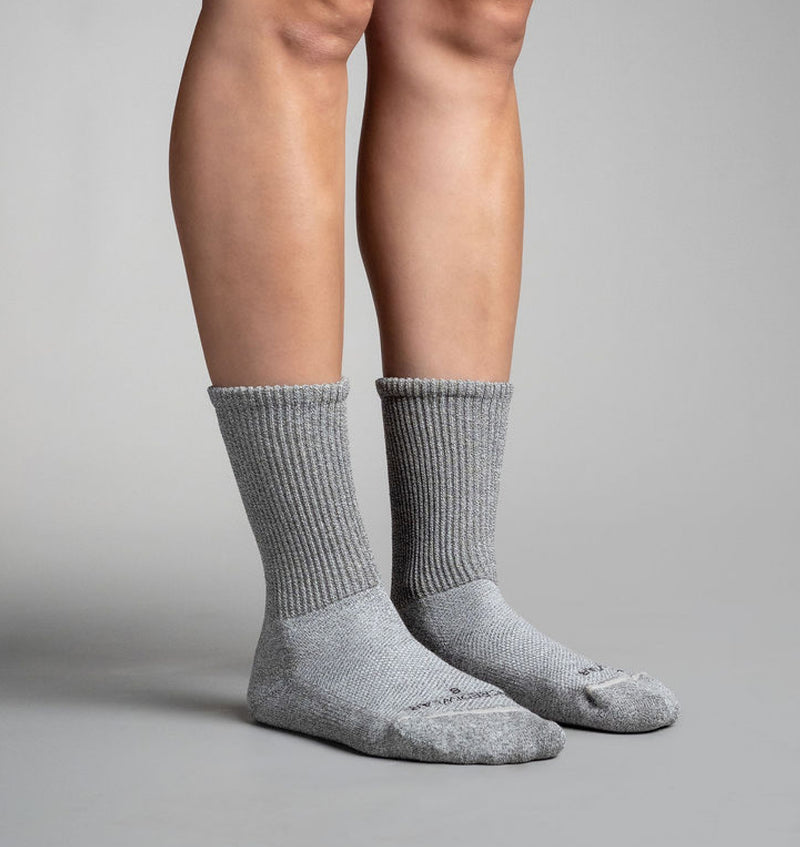
To maintain muscle responsiveness and accelerate flushing after games, players turn to targeted lower-body wearables. Incrediwear Leg Sleeves provide complete coverage across the hamstrings and quads, while Calf Sleeves focus on the lower leg. Wearing Circulation Shorts as an active base layer or during travel can help optimize circulation throughout the hips and upper legs, supporting strength before soreness causes season-ending issues.
The Youth Game
While major league pennant races dominate headlines, the most alarming data comes from the amateur ranks. Youth baseball injuries are driven by the same accumulation mechanics seen in the pros.
Key clinical statistics emphasize the growing issue:
-
Overuse accounts for nearly 50% of all youth baseball injuries, with the elbow and shoulder most frequently affected.
-
Athletes participating in year-round play are 2.5 times more likely to sustain an elbow injury compared to those who take seasonal breaks.
-
Pitching while experiencing physical fatigue has up to a 36x increase in shoulder or elbow injury risk.
Teens are seeing an increasing number of UCL injuries as they compete to make it to the big league. The fastest-growing demographic undergoing Tommy John surgery is 15-to-19-year-olds, representing 57% of all procedures. Research examining high school pitchers found that injured players participated in an average of four or more showcase tournaments per year, compared to just one tournament for uninjured players. Compounding the risk, nearly half of youth coaches admit to not strictly following established pitch count guidelines.
Protecting young athletes requires strict workload management, enforcing seasonal rest, monitoring throwing mechanics, and incorporating non-compressive recovery tools. Using the Incrediwear Elbow Sleeve or Shoulder Brace after outings may help young players from experiencing normal muscle fatigue and soreness, though recovery gear should never be treated as permission to pitch when hurting.
Recovering Through the Final Month
Optimizing circulation is the foundation for managing muscular wear across the body. Efficient blood circulation ensures oxygen and vital nutrients reach stressed tissues while metabolic waste products are cleared.
Incrediwear uses a proprietary element-infused fabric that is activated by natural body heat. Once warmed against the skin, this specialized material emits far-infrared waves into surrounding tissue to stimulate microcirculation without relying on mechanical squeeze. This allows athletes to wear them comfortably during competition, throughout long travel flights, and overnight during deep sleep cycles.
In independent studies:
-
Laser Doppler testing found an increase in blood flow at rest compared to placebo products
-
Additional research found less soreness after one night of using Incrediwear compared to placebo in professional athletes
To maximize physical readiness during late-season pushes or ramped-up youth league baseball:
-
Protect Sleep: Prioritize 8-plus hours of rest, wearing targeted sleeves overnight to enhance passive recovery.
-
Listen to Pain: Treat arm or joint soreness that does not resolve within 48 hours as critical diagnostic feedback rather than routine tightness.
-
Avoid Standalone Reliance: No wearable garment acts as a standalone cure or prevention method. Persistent joint or structural symptoms require professional medical evaluation.
Frequently Asked Questions
What is Tommy John surgery and how long is the recovery?
Tommy John surgery is a surgical procedure in which a torn ulnar collateral ligament (UCL) in the elbow is replaced with a tendon graft. For Major League Baseball pitchers, typical recovery and return-to-play timelines range from 12 to 18 months, requiring extensive physical therapy and a structured interval throwing program.
Why are so many pitchers getting elbow injuries?
Pitching places unprecedented stress on the elbow. The combination of maximal pitch-by-pitch effort, continuous pursuit of higher fastball velocity, extreme spin rates, year-round competition from a young age, and insufficient rest between outings creates cumulative stress that can exceed the structural strength of the UCL.
What is an oblique strain in baseball?
An oblique strain is a stretch or tear in the abdominal oblique muscles, which connect the ribs to the pelvis and spine. These muscles drive the explosive trunk rotation required for swinging and throwing. Because every swing and throw re-engages the core, oblique strains require patient rest and careful rehabilitation to avoid re-aggravation.
How many pitches should a youth pitcher throw?
Pitch count recommendations vary by age under USA Baseball's Pitch Smart guidelines. Generally, pitchers aged 9 to 12 should limit daily outings to 50–75 pitches, while pitchers aged 13 to 18 should cap daily counts between 75 and 105 pitches, followed by mandatory days of rest based on total volume thrown.
How do baseball players recover during a long season?
Professional players rely on comprehensive daily recovery routines. Key strategies include maintaining consistent hydration and nutrition, prioritizing sleep, utilizing active flushing protocols, using non-compressive element-infused recovery sleeves overnight to enhance blood flow, and adhering to strict workload management schedules supervised by medical staff.
Read more
The transition from summer matches on clay and grass to North American hard courts is one of the most physically demanding phases of the competitive tennis calendar. While clay allows sliding and g...

Once a week, towns, cities, states, and high schools all gather around a national tradition: American football. Whether competing in Sunday broadcasts or Friday night lights, players of all levels ...
Leave a comment
All comments are moderated before being published.
This site is protected by hCaptcha and the hCaptcha Privacy Policy and Terms of Service apply.