


One Game a Week, Six Days to Recover: The Football Injury Guide for the Start of the Season
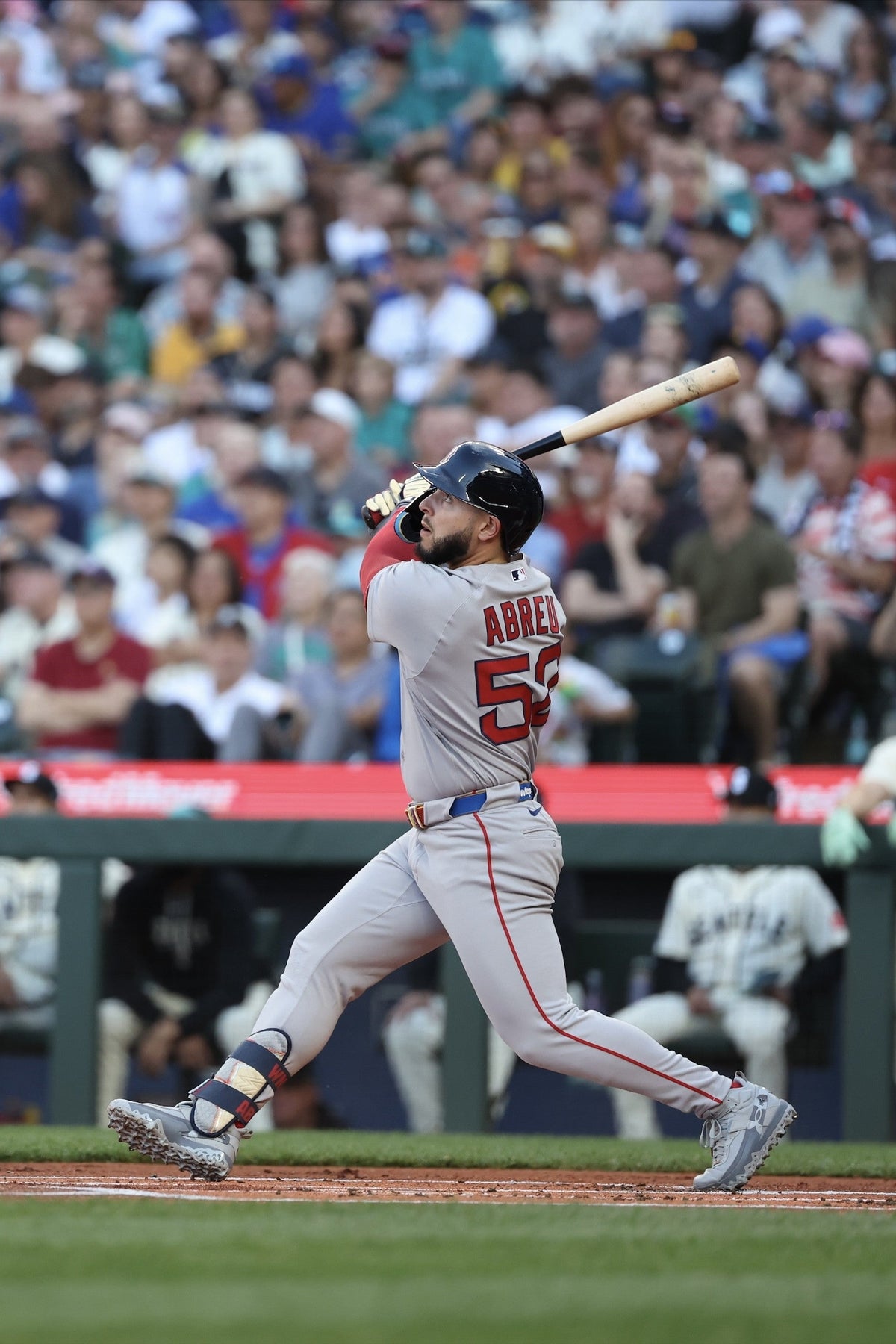
Once a week, towns, cities, states, and high schools all gather around a national tradition: American football. Whether competing in Sunday broadcasts or Friday night lights, players of all levels need to perform at their peak once a week, support strength during the six other days as the foundation for long-term success.
While serious damage like tears and breaks create headlines, the vast majority of players encounter a less dramatic, weekly struggle. Most athletes will never experience the ACL tear football players dread, but virtually every player off the field will deal with some form of muscle fatigue and soreness by Tuesday morning. Managing the physical wear of a football schedule requires understanding the challenges and their distinct profiles across key body areas and adopting an active approach to physical protection.
The Knee: Football's Most Consequential Joint
The knee absorbs immense torque during football activity. While helmet-to-knee collisions cause visible trauma, most severe football pain occurs without physical contact from an opponent.
A non-contact injury to the anterior cruciate ligament (ACL) typically stems from high-speed mechanics like:
-
Sudden change of direction while cutting or dodging defenders.
-
Rapid deceleration when breaking down to make a tackle.
-
Awkward landings from jumping to pull down a pass.
-
Planting the foot firmly while turning the upper body under heavy fatigue.
According to league surveillance, the NFL reported ACL tears reached a seven-year low with 32 occurrences, down 25% year-over-year. Despite this decline, knee joint health remains a central focus of athletic training programs.
Football on Turf vs. Grass
The debate surrounding playing surfaces continues to draw intense scrutiny from players and medical staff alike. Official NFL data reported 0.43 injuries per 100 plays on artificial surfaces versus 0.42 on natural grass. However, independent academic research presents contrasting findings:
-
A 2012 to 2016 study published in the American Journal of Sports Medicine found a 16% increase in lower extremity injuries per play on synthetic turf compared to natural grass.
-
The NFL Players Association reports that between 2012 and 2018 NFL players consistently experienced a much higher rate of non-contact lower extremity injuries on turf compared to natural surfaces. Specifically, players have a 28% higher rate of non-contact lower extremity injuries when playing on artificial turf.
-
Of those non-contact injuries, players have a 32% higher rate of non-contact knee injuries on turf and a staggering 69% higher rate of non-contact foot/ankle injuries on turf compared to grass, according to the NFLPA.
-
Surveillance data from the 2021 to 2022 seasons identified 1.42 lower extremity injuries per game on turf versus 1.22 on natural grass.
Synthetic fields feature higher traction friction, which can prevent the shoe from releasing cleanly during pivot maneuvers, transferring force directly into the knee joint.
Recovery Strategy
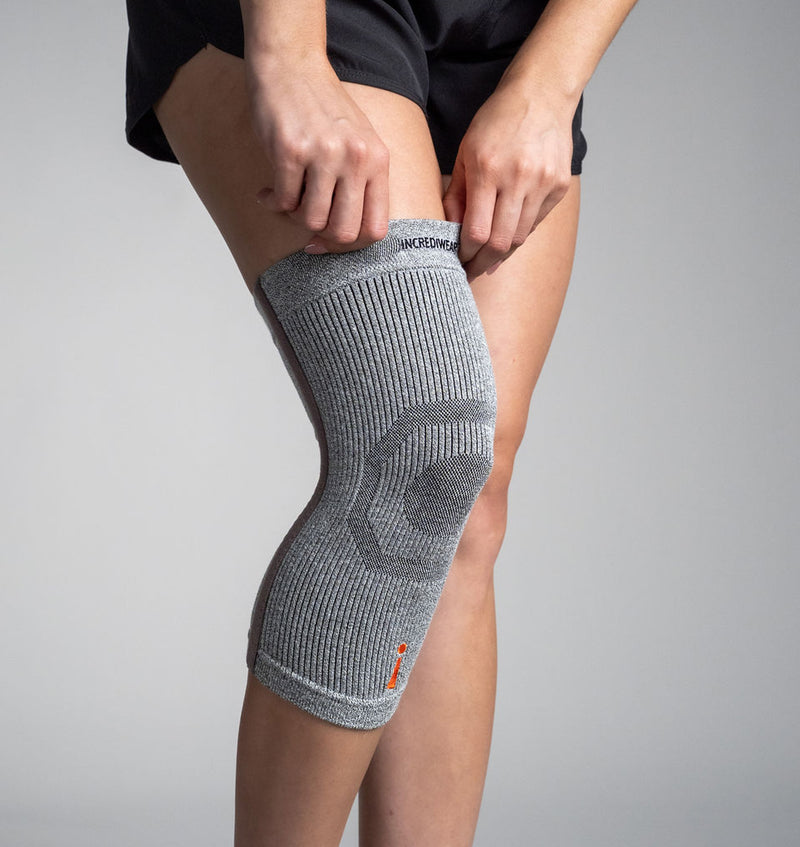
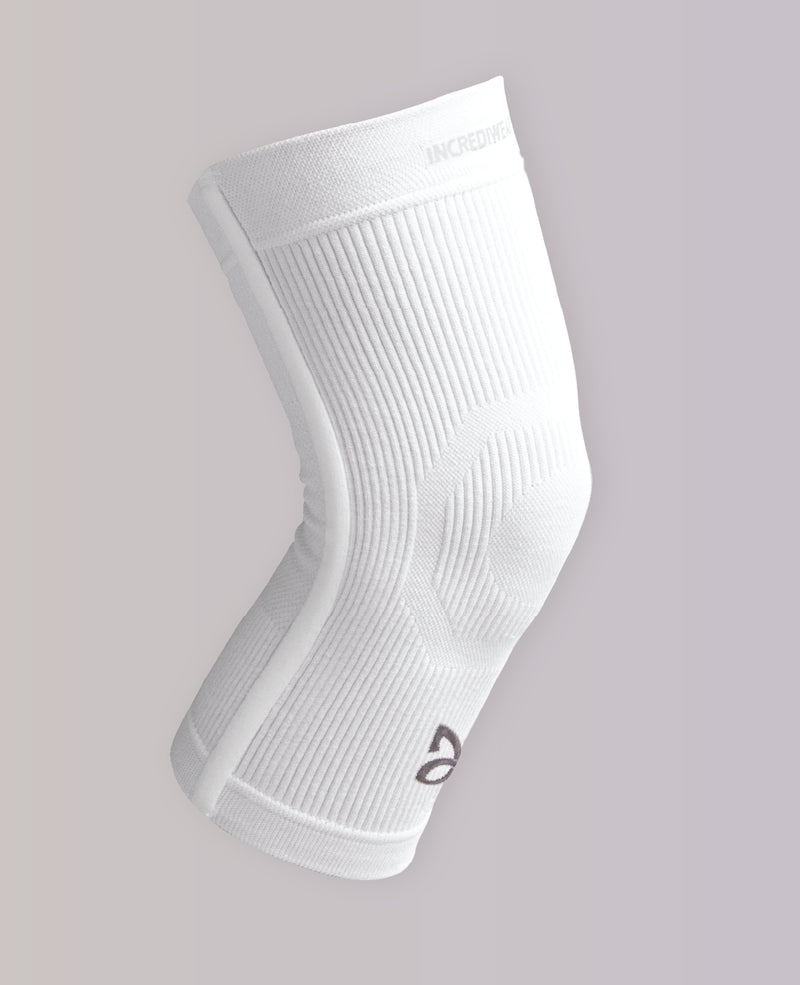
After a grueling gridiron battle, it’s important to maintain mobility and manage post-game joint fluid around the knee. The Incrediwear Knee Sleeve uses element-infused fabric to increase local blood circulation around the joint without restricting natural movement. Designed for active wear or post-game downtime, it helps athletes stay mobile throughout the week. Explore options for joint care in our ACL and Knee Collection.
Turf Toe and the Foot
Turf toe may be misunderstood as a minor nuisance, but it is a debilitating joint sprain that can disrupt an entire season. Turf toe refers to a sprain of the plantar complex and ligaments at the base of the big toe (first metatarsophalangeal joint). It occurs when the big toe is forced into severe hyperextension while the heel is raised and the forefoot remains firmly planted on the ground.
Common contributing factors include:
-
Playing on rigid artificial turf surfaces that offer minimal surface yield.
-
Wearing lightweight cleats with overly flexible soles that allow forefoot bending.
-
A teammate or opponent landing on the back of a planted foot, forcing the heel downward while the toe stays stuck in the turf.
Though it sounds minor, a big toe sprain alters an athlete's entire movement chain. Because every sprint, cut, and jump relies on pushing off through the big toe, pain forces players to alter their gait, transferring unusual strain upward into the foot, ankle, calf, and knee.
Impact Across the Field
Turf toe is a risk for all players, but it can come from distinct sources across the roster. Linemen experience repetitive micro-trauma from pushing forward from a crouched, weight-bearing stance on every snap. Whereas skill positions like quarterbacks, running backs, and wide receivers are more likely to suffer acute, high-grade hyperextension during sudden acceleration or sudden stops. High school athletes are particularly at risk since cleats are prioritized by cost and style over professional fit and stiffness.
Turf toe can have a significant impact on seasons and careers. In the first two weeks of the 2025 NFL season, San Francisco 49ers’ quarterback and Cincinnati Bengals’ Joe Burrow were both sidelined with turf toe, immediately changing the teams’ strategies. According to a 2021 study published by The Orthopaedic Journal at Harvard Medical School, of the 25 NFL players whose turf toe injuries required surgery between 2000 and 2017, none returned to play the same season. Five never returned at all and had to retire.
Recovery Strategy
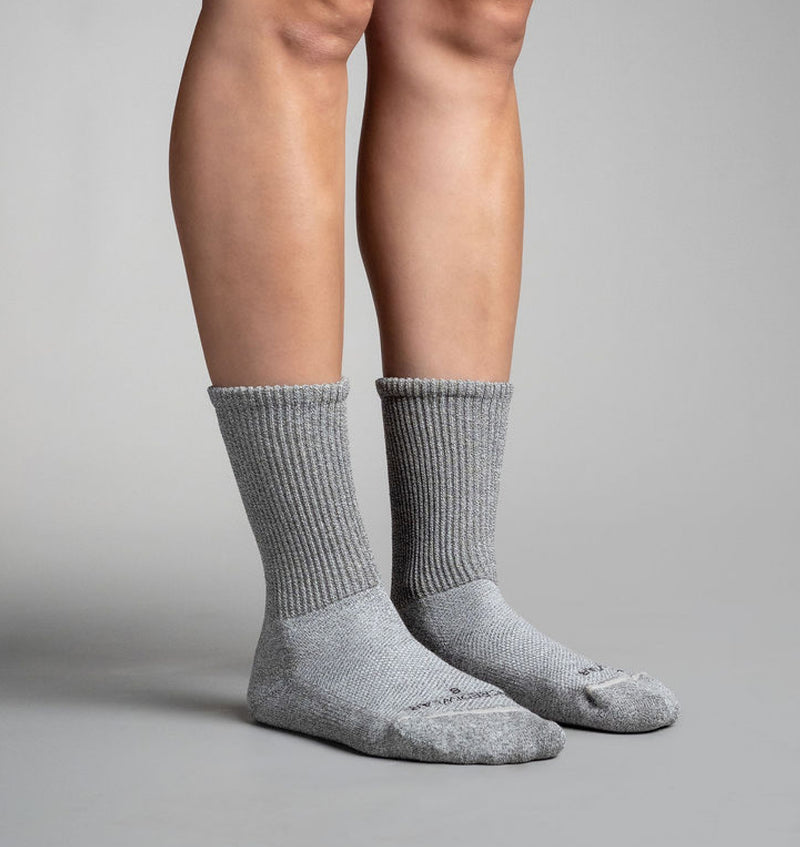
Managing foot trauma requires addressing both localized joint soreness and broader fluid buildup. The Incrediwear Ankle Sleeve provides non-compressive coverage to the ankle and midfoot region, while Incrediwear Sport Socks or Circulation Socks help manage localized swelling through increased microcirculation.
Hamstrings and the Posterior Chain
Hamstring strains are among the most prevalent overuse injuries in field sports, especially during the opening weeks of the competitive season. The hamstring muscle group (biceps femoris, semitendinosus, and semimembranosus) undergoes intense stress during the terminal swing phase of full sprinting—when the muscle actively lengthens to decelerate the forward-swinging lower leg before foot strike.
Primary strain triggers include:
-
Maximal sprint efforts without an adequate warm-up.
-
Sudden explosive acceleration out of a stance or break.
-
Late-game fatigue causing muscle incoordination between the quadriceps and hamstrings.
-
Rapidly shifting from summer conditioning drills to full-speed, game-tempo reps during the football preseason.
Hamstring strains carry a notoriously high recurrence rate. The highest risk window for a secondary hamstring strain occurs within the first few weeks following a player's return to play. Returning to full speed before muscle tissue has fully recovered often leads to chronic pull cycles.
Recovery Strategy
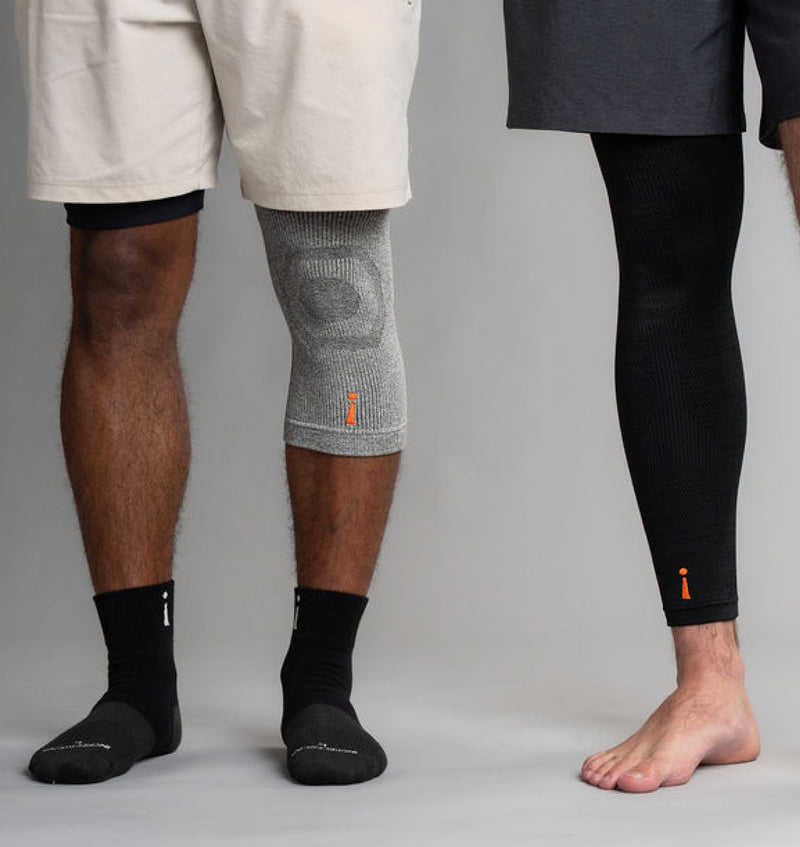
To keep posterior chain tissue limber and facilitate muscle restoration between practice sessions, athletes use the Incrediwear Leg Sleeves for full lower-leg and thigh coverage. For targeted waist, hip, and upper-thigh needs, Circulation Shorts promote circulation in the glute and groin regions. View more recommendations in our Muscle Fatigue & Soreness Collection.
Shoulders and the Contact Load
While lower extremity issues often come from non-contact twisting, shoulder issues stem from the classic contact-sport trauma associated with football.
Every position on the field subjects the shoulder joint to intense kinetic forces:
-
Linemen: Absorb high-velocity impact directly through the upper chest and shoulders on nearly 60 to 70 plays per game, creating continuous strain on the acromioclavicular (AC) joint and labrum.
-
Defensive Backs & Linebackers: Experience acute impact forces when driving through ballcarriers or striking the turf at high speeds.
-
Quarterbacks: Suffer shoulder fatigue from combining high-volume overhead throwing reps with unprotected hits from rushing defenders.
Unlike a single isolated incident, a lineman's shoulder load comes from cumulative wear across weeks of practice and competition. Over time, constant impact can lead to severe joint stiffness and reduced range of motion.
Recovery Strategy
To help manage the aches from upper-body collisions, the Incrediwear Shoulder Brace fits comfortably over the shoulder joint to deliver targeted support across the AC joint, rotator cuff, and surrounding musculature. For extended arm coverage, the Incrediwear Arm Sleeve offers full-length elbow and forearm coverage.
The Six Days Between Games
A football team's weekly schedule follows a regular rhythm. On Monday, players are sore and stiff right after a game. Tuesday through Thursday sees heavy practices. Friday and Saturday serve as days to recover and prepare for Sunday game day loose and restored, not broken down.
Traditional compression garments rely on mechanical squeezing to force fluid out of limbs. However, tight compression can restrict active blood flow and circulation if worn for extended periods.
Because Incrediwear uses a non-compressive design, its garments:
-
Do not squeeze tissue which can restrict capillary blood movement.
-
Can be worn comfortably during active practice, post-game travel, and overnight during sleep.
-
Allow athletes to leverage 24/7 recovery windows when the body's natural tissue repair processes are most active.
Incrediwear products use a proprietary element-infused fabric that reacts directly with natural body heat. When activated by thermal energy, the specialized fibers emit mid- and far-infrared waves into surrounding tissue. This triggers accelerated local blood speed and volume without applying tight physical pressure. In published studies resting blood flow and blood speed increased when wearing Incrediwear fabric.
Recovery Guidance for Parents & Coaches
-
Check Surface-Cleat Compatibility: Make sure young players wear cleats with appropriate stud configurations and sole rigidity to lower the risk of turf toe.
-
Monitor Early Pain Cues: Never encourage high school athletes to push through persistent big toe joint tenderness or hamstring tightness simply to maintain a starting position. Early attention prevents multi-week absences.
-
Prioritize Active Rest: Combine adequate hydration and rest with supportive circulation care throughout the week.
Disclaimer: Incrediwear products are not standalone medical treatments or injury prevention devices. Speak to a licensed healthcare provider about persistent pain, severe joint swelling, or suspected structural tears.
Frequently Asked Questions
What is turf toe and how long does it take to heal?
Turf toe is a sprain of the ligaments and plantar complex at the base of the big toe, caused when the toe is forcibly bent upward while the foot remains planted. Recovery timelines depend on the severity of the sprain. Minor Grade 1 sprains typically resolve within a few days to two weeks with proper protection and rigid footwear. Moderate Grade 2 partial tears generally require two to six weeks of rest, while severe Grade 3 complete tears can take eight weeks to several months and may require medical evaluation.
Are football injuries more common on turf than grass?
While official league data reports similar overall injury rates across surfaces (0.43 injuries per 100 plays on turf versus 0.42 on grass according to NFL data), independent academic research indicates higher risks on synthetic fields. A comprehensive systematic review in the American Journal of Sports Medicine found a 16% increase in lower extremity injuries per play on artificial turf, with foot, ankle, and knee sprains showing the highest elevated rates due to increased surface traction.
What is the most common football injury?
Ligament sprains and muscle strains in the lower extremities—specifically affecting the knee, ankle, and hamstring—are the most common injuries in football. While traumatic collisions make headlines, non-contact lower extremity strains caused by cutting, sudden deceleration, and repetitive high-speed sprint efforts account for the highest total volume of lost practice and game time across all playing levels.
How should football players recover between games?
Optimal recovery involves a combination of sleep, hydration, light mobility work, and continuous circulation support. Rather than relying solely on passive rest, athletes focus on maintaining active blood flow to sore tissue. Non-compressive recovery gear made with element-infused fabric can be worn post-game and overnight to enhance blood speed and circulation without restricting movement or squeezing tissue.
How can high school football players lower their injury risk?
Young athletes can manage injury risks by wearing position-appropriate cleats with adequate sole stiffness, particularly on synthetic turf fields. Additionally, players should avoid dramatic spikes in training volume during the early season, maintain proper warm-up routines before full-speed reps, and avoid playing through early warning signs of hamstring tightness or big toe joint soreness.
Leave a comment
All comments are moderated before being published.
This site is protected by hCaptcha and the hCaptcha Privacy Policy and Terms of Service apply.